
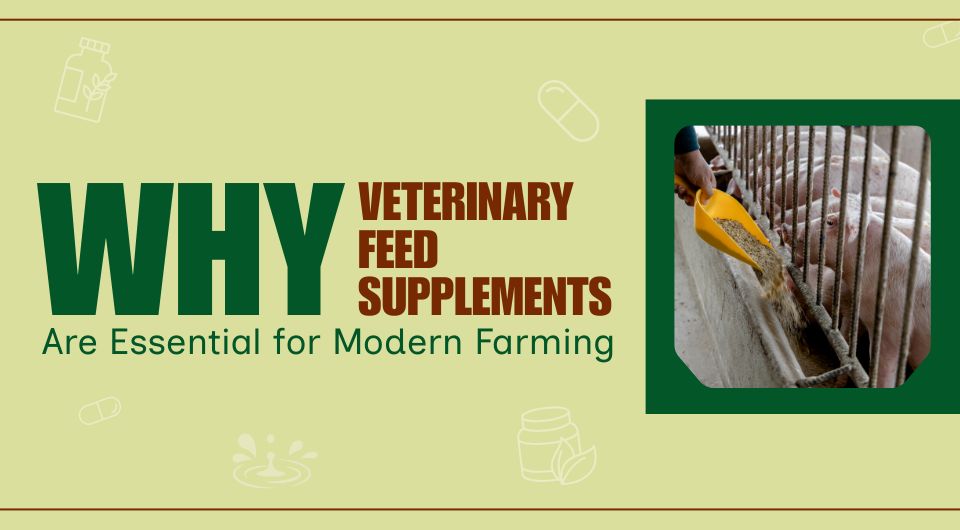
Modern farming is quite different from what it was even half a century ago. Herds and flocks are larger, production goals are greater and there is less room for error when it comes to animal health and productivity. However, in this type of production using only the basic feed ration to provide the complete nutrition an animal requires is no longer the only answer. These days, veterinary feed supplements are considered as a vital part of the productivity maintenance system within modern farms, concerning animal welfare and ensuring long-term profitability.
Whether you are a dairy producer, poultry producer, swine producer or a mixed farm, the benefits of understanding the importance of feed supplements and their role in a modern farm management system can impact both your animals and your profitability.
The nutritional gap in modern farming is discussed.
Many basal diets (whether pasture, grain or a combination) alone do not provide a complete range of vitamins, minerals and other micronutrients as required by the high producing animals of today, particularly at times of high nutrient demand such as lactation, growth or breeding. This has increased because of soil depletion, the variability of seasonal forages, and intensive production systems.
Feed supplements have been developed to fill this gap and provide specific nutrition for the animal to handle during high production periods without completely altering the base feeding program.
Helping in Productivity and Yield.
One of the most obvious reasons why feed supplements have become a necessity is because of their measurable value in productivity. From milk production in dairy cows to egg production in layers, chick growth in broilers to growth in swine, and everything in between, well-formulated supplements deliver more efficient feed conversion, or a better return on animal feed.
It’s not an incremental improvement in most cases. Specific mineral, vitamin or metabolic supplementation on the farm can lead to an improvement in production consistency across the herd/flock, which can be marked compared to a generic feed.
Boost immune system and minimize disease burden
Intensive modern production systems can exacerbate the disease pressure because of the increased stress on production as well as the density of animals. Nutritional status directly influences the animals’ immune resilience and deficiencies of critical nutrients such as vitamin E, selenium and zinc have been well documented to reduce immune response and lead to susceptibility to infection.
Reactive treatments are a costly way of controlling disease on the farm, and feeds that have immune function support components can help reduce the incidence of disease and thus the need for reactive treatments, resulting in improved overall herd or flock health. This proactive health approach, which is a means of strengthening the animal’s own immune system by supporting its nutritional system, is seen more and more to be a more sustainable approach to health than one based solely on treatment.
Designing to accommodate Critical Life Stages.
Targeted supplementation is especially important during certain life stages because they have unique demands on an animal’s system:
Dairy cattle transition periods: The transition period, which is the few weeks around calving, is a metabolic demanding time and giving energy and mineral support tailored to this period will help to minimise the risk of metabolic disorders.
Early growth in poultry and swine: Early introduction of gut health and immune support products provides a long-term benefit to the bird or pig throughout its lifetime and in disease resistance.
Breeding and reproduction: Adequate trace mineral and vitamin status is critical to fertility and reproductive success in different species and supplementation is a major tool to maximize conception rates and shorten the calving and kidding interval.
Stress periods: Nutrition levels are raised during weaning, transport and environmental extremes and supplements during these periods keep animals recuperating more quickly and at higher productivity.
Promoting the Movement to Avoid Overuse of Antibiotics
The livestock sector is reducing the use of routine antibiotics and the supplements, including herbal, phytogenic feed, are playing an increasing part in maintaining a healthy gut and immune system, all without antibiotics. The change is not simply a compliance issue, it’s a true shift in understanding based on sound research that a healthy gut and immune system results in a decrease of the need to even use antibiotics in the first place.
Improving Farm Economics
Feed supplements are an extra input cost, but generally the economic effect is positive if used appropriately. Reduced feed conversion is one of the most important measures of efficiency on a farm, as the cost of feed is one of the most significant costs. Less disease incidence means lower veterinary and treatment expenses, and improved fertility means that fewer costly productive cycles are lost. Given in combination, it is often a worthwhile investment that will recoup its costs multiple times over with increased productivity and lower losses, rather than as an extra cost.
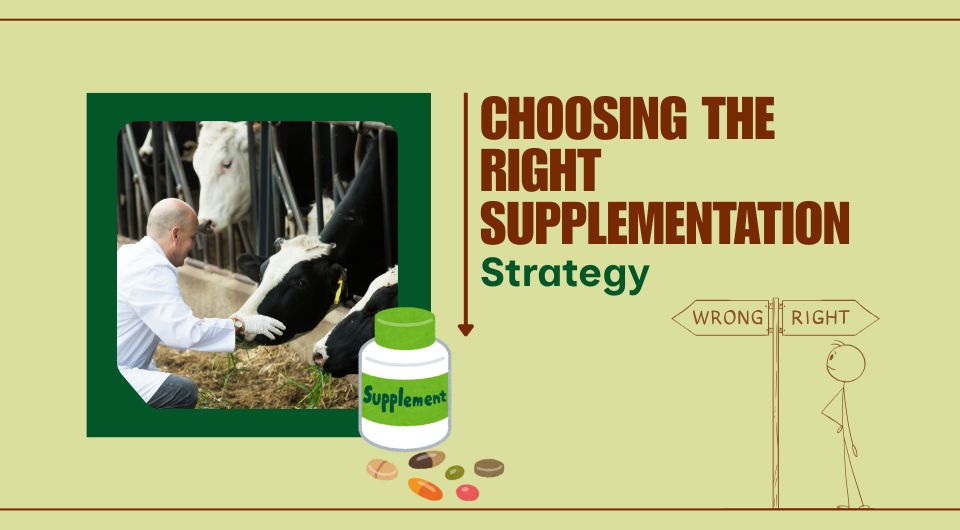
Choosing the Right Supplementation Strategy
Every farm has different supplements, and a blanket recommendation of a “one size fits all” strategy may not address the deficiencies affecting a specific herd or flock. The needs of a farm are defined by factors such as species, breed, production objectives, regional soil and forage quality, as well as farm health status.
Working with a nutrition partner with scientifically formulated and quality-tested supplements, specific to species and life stage, is where it is most likely to provide consistent and measurable results, rather than buying supplements due to price. Farms that routinely re-evaluate their supplementation program in conjunction with their veterinarian or animal nutritionist are more likely to discover and fill in nutrition deficits before they become a lost productivity.
Conclusion
Veterinary feed supplements have transitioned from the margins of farming to becoming a must-have. Targeted supplementation can have a direct impact on the success of today’s farms, from addressing nutritional gaps and supporting productivity, to boosting immunity and enhancing farm profitability. Farms investing in scientifically designed, life-stage appropriate supplementation, based on sound veterinary and nutritional advice, will be best able to achieve steady and sustainable productivity as farming becomes more intense and diversified.
Frequently Asked Questions
Q: Are feed supplements necessary if my animals already have a good diet?
A: The basal ration is usually inadequate, even for a well-balanced ration, at high-demand periods such as lactation, growth, and breeding. Supplements are intended to fill these gaps and do not completely replace a good diet.
Q: How can I determine what supplements I should be feeding my farm?
A: It is better to determine specific nutritional deficiencies or requirements from a forage or feed analysis, from herd performance, and by consulting a veterinarian or animal nutritionist than to make a guess.
Q: Can feed supplements really reduce veterinary costs?
A: Yes, with proper immune stimulation and prevention of nutritional deficiencies, well formulated supplements can help to decrease the incidence of disease and, over time, lessen treatment and veterinary costs.
Q: Is herbal feed supplement as effective as conventional feed supplement?
A: Well formulated herbal and phytogenic supplements have gathered growing solid support for their effectiveness, especially as related to gut health and immune support and are a safer long-term alternative to antibiotic-based methods.