
Table of Contents
- Why is poultry Health Management so important?
- Usual Causes of Poultry illness.
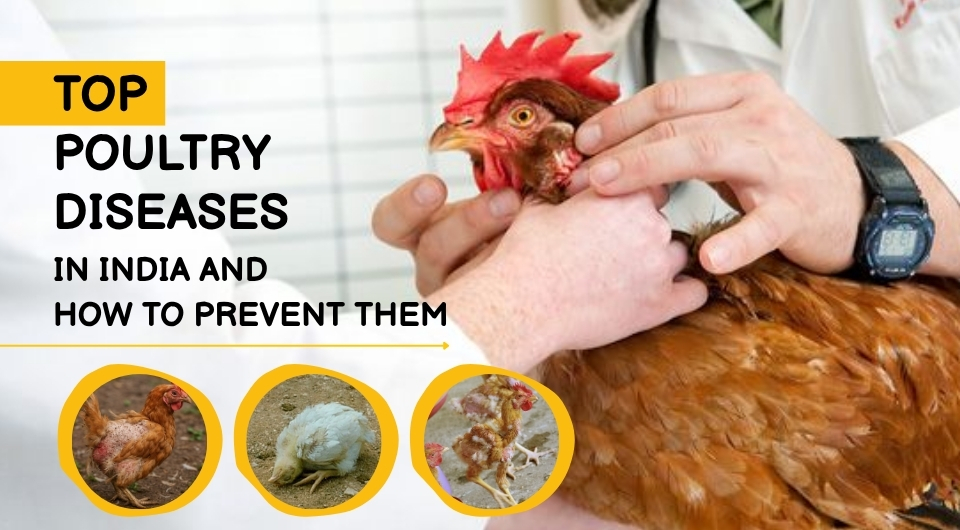
- The most common poultry diseases in India.
- The effects of diseases on Poultry Business.
- Effective Prevention Strategies
- Immunity and Nutrition Role.
- Biosecurity Practices all Farms should obey.
- Significance of Early Diagnosis and follow-up.
- Conclusion
Why Poultry Health Management is Important
One of the livestock industries in India that are growing at a very high rate is poultry farming. As the demand for eggs and chicken increases, farmers are intensifying their operations. Nevertheless, as it grows, the risk increases- particularly in the form of diseases.
The diseases in poultry are transmitted in a short period resulting in massive death, slow growth and loss of revenues. To farmers, a slight outbreak can disorient the whole production process.
That is why preventive measures of diseases and health management are needed. Not only does a proactive approach influence the protection of the flock, but it also leads to a high degree of regular productivity and profitability.
Usual Causes of Poultry Illness
The initial step towards preventative diseases is to understand their underlying causes.
One of the largest factors is poor hygiene. Unhygienic sheds, water and unclean equipment provide a perfect habitat of pathogens.
The overcrowding adds pressure and facilitates diseases to spread quickly. Inadequate ventilation may cause breathing problems and extreme temperatures may undermine immunity.
A significant role is also carried by nutrition deficiencies. Birds that are not fed in balanced feed are more prone to infections.
Moreover, inadequate vaccination and biosecurity practices also pose a risk of disease outbreaks.
The most common poultry diseases in India.
1. Newcastle Disease (Ranikhet Disease)
Newcastle disease is one of the most common and deadly viral diseases in poultry.
It is rapidly spread via air, contaminated feed, and sick birds. The symptoms are respiratory distress, nervous signs, decreased egg production, and high mortality.
Prevention largely includes timely vaccination and severe biosecurity measures.
2. Bird Flu (Avian Influenza)
The avian flu virus is a viral infection that is very infectious and can result in significant losses.
It is transmitted by contact with infected birds, contaminated surfaces, and even wild birds. The symptoms comprise sudden death, swelling, respiratory distress and declining egg production.
The prevention of contact with wild birds and strict hygiene are the major factors of this disease control.
3. Infectious Bursal Disease (IBD / Gumboro)
The immune system of young birds is also susceptible to other infections since IBD affects it.
The symptoms are diarrhea, weakness as well as reduced growth.
Preventive measures are necessary and include vaccination and good hygiene.
4. Coccidiosis
Coccidiosis is a pathology, a parasitic disease of the intestinal tract.
It is usually observed in broilers and layers, particularly in damp and unsanitary environments.
Symptoms are bloody diarrhea, poor feed conversion and weight loss.
The control measures that can be used include the maintenance of dry litter, and preventive feed additives.
5. Chronic Respiratory Disease (CRD)
CRD is a bacterial infection that is usually linked with inadequate ventilation.
The symptoms are coughing, sneezing, nasal discharge and slowed growth.
Ventilation and hygiene can be used to prevent this disease.
6. Fowl Pox
Fowl pox is a contagious infection that leads to skin and mouth lesions.
It is transmitted by mosquitoes and close contact with infected birds.
There are preventive measures such as vaccination and insect control.
7. Marek’s Disease
Marek disease is a viral disease of the nervous system.
It results in paralysis, loss of weight and tumors among birds.
The best method of controlling this disease is by vaccination at a tender age.
8. Salmonellosis
Salmonella infections not only affect poultry, but also humans and hence it is a major issue.
These symptoms are diarrhea, weakness and low production of eggs.
Prevention involves maintaining hygiene, quality feed and water.
The effects of diseases on Poultry Business.
The profitability of the farm is directly affected by poultry diseases.
They result in high rates of death, loss of birds and investment. The rate of growth is reduced and this influences the readiness of the market.
The egg production is considerably lowered, decreasing the revenues of the layer farms.
It also reduces efficiency in feeds, making production more expensive.
In worst scenarios, culling of whole flocks might be required leading to huge financial losses.
Effective Prevention Strategies
In poultry farming prevention is better than cure.
The initial defense against most viral diseases is vaccination. It is important to follow an appropriate vaccination program.
The risk of infection is minimized by keeping the environment clean and hygienic.
Balanced nutrition is beneficial in enhancing immunity and disease resistance.
Bird health can be monitored regularly to detect early and take a timely intervention.
Immunity and Nutrition Role.
In disease prevention, nutrition is an important factor.
A balanced diet also provides birds with all the necessary nutrients needed to grow and have immunity.
Probiotics, enzymes, and herbal supplements are feed additives that provide aid in enhancing digestion and nutrient uptake.
Good immunity minimizes the chances of getting infections and general performance is enhanced.
One of the best methods of keeping the flock healthy is by investing in good nutrition.
Biosecurity Controls that any Farm has to adhere to.
Biosecurity Practices all Farms should obey.
Limiting the access of visitors and vehicles will minimize the chances of contamination.
Entirely disinfecting and keeping equipment clean are important measures.
The isolation of diseased birds and healthy ones avoids the infection.
Dead birds are also very important to dispose of properly in order to prevent contamination.
Strict biosecurity practices will provide a healthier and safer farm environment.
Significance of Early Diagnosis and follow-up.
Birds and money can be saved by early disease detection.
The behavior of birds, the amount of feed consumed and the growth are monitored often to diagnose problems at an early stage.
Appropriate diagnosis and treatment are achieved by the use of diagnostic tools and consultation of veterinarians.
Recording health, vaccination and production recordings assists in tracking performance and patterns.
Active farm monitoring enhances the overall farm management.
Role of Veterinary Support & Modern Solutions
Contemporary poultry farming is one that needs a blend of traditional and scientific innovations.
Veterinary care is important in management and prevention of disease.
The consumption of good veterinary products can guarantee the optimal health results and higher productivity.
In the case of entrepreneurs and businesses, collaboration with trusted veterinary manufacturers can grant them access to innovative solutions and quality assurance.
Conclusion
The issue of poultry diseases is a critical problem in the industry, yet it is easy to handle when the correct strategy is applied.
Preventing common diseases, upholding hygiene, appropriate nutrition, and adherence to vaccination regimens are important.
An aggressive and properly-thought-out course of action does not only safeguard the flock but also guarantees profitability in the long-term.
To the farmers, veterinarians and businesses, health management is the key to succeed in the expanding poultry business.
The Right Veterinary Solutions for a Healthier Poultry Farm improve poultry health through improved growth, reduced mortality and improved profits.
Smart business disease prevention measures can enable your poultry business to take a step further.