
Table of Contents
- The Importance of Minerals to Dairy Cattle
- More Normal Forms of Mineral Deficiencies
- Mineral Deficiency Signs and Symptoms
- Mineral Deficiency in Dairy Cattle Causes
- Effect on Milking and Health
- Which is Better: Chelated or Inorganic Minerals?
- How to Cure Mineral Deficiency: Effective Solutions That Work
- Optimal Supplements in Dairy Cattle
- Conclusion
The Importance of Minerals to Dairy Cattle
Dairy animals are highly dependent on minerals to remain healthy, productive and help them procreate. Minerals are important to all biological activities, keeping them strong and healthy in bone, and helping facilitate the activity of the enzymes and production of milk.
In India, dairy cattle deficiency in the form of minerals is a common occurrence because of unfair feeding habits and quality fodder. Most farmers also unwillingly feed on diets that are deficient of the necessary macro and trace minerals, resulting in low productivity and illnesses.
Even high-quality food cannot provide the best results without adequate mineral nutrition. That is why it is important that every dairy farmer should understand and solve mineral deficiencies.
More Normal Forms of Mineral Deficiencies
Dairy cows need macro minerals (such as calcium and phosphorus) as well as trace minerals (such as zinc, cobalt and selenium).
Among the most typical ones, there is the case of calcium deficiency cow symptoms which tend to manifest themselves at early lactation. Milk production and muscle activity are based on calcium.
The other significant issue is phosphorus deficiency cattle that impacts on bone development, fertility, and energy metabolism.
Deficiencies of trace minerals are also significant. India Zinc deficiency cattle may cause poor skin condition, diminished immunity and retarded growth.
Maladies such as cobalt deficiency cattle India affect the production of vitamin B12 and this influences the appetite and productivity.
Equally, livestock with selenium deficiency may develop weak immunity and develop reproductive problems.
The knowledge of these deficiencies will enable farmers to act as soon as possible and avoid losses in the long term.
Mineral Deficiency Signs and Symptoms
The ability to identify early warning signals is the key towards avoiding severe health challenges.
Reduced milk production, retarded growth, dingy coat and loss of appetite are the most frequent symptoms of mineral deficiency in cows.
Each of the mineral deficiencies in cattle is present with a specific set of symptoms.
Animals with calcium deficiency may be weak, shaky and unable to stand. Severe cases may result in hypocalcaemia dairy cow, which is milk fever.
Deficiency of magnesium may lead to grass tetany cattle, which is an illness that is manifested by spasm of the muscles and nervousness.
Deficiency of zinc can result in skin lesions and poor hoof condition whereas deficiency of phosphorus can result in low productivity and weak bones.
Early detection of such symptoms enables the farmer to correct the situation before the situation deteriorates.
Mineral Deficiency in Dairy Cattle Causes
The causes of mineral deficiencies in dairy animals are many.
Among the main reasons is the poor-quality fodder. The nutritional factors in the soil in most areas are deficient, and they have a direct impact on the mineral levels of products.
The imbalanced feeding habits are also a significant factor. Farmers are usually preoccupied with energy and protein at the expense of minerals.
Animals that produce high milk need more nutritional needs. This means that their bodies are soon depleted without adequate supplementation.
The quality of water can also affect the intake of minerals. The problem can be aggravated by polluted or mineral-depleted water.
This knowledge can be used to develop effective feeding plans and avoid deficiencies.
Effect on Milking and Health
Deficiency of minerals directly affects milk production and general health of the herd.
Low calcium levels cause low yield of milk as well as severe diseases such as milk fever. Phosphorus deficiency influences the metabolism of energy resulting in decreased productivity.
Deficiencies of trace minerals impair the immunity of the animal, thereby increasing their susceptibility to infection and diseases.
There is also deteriorated reproductive performance leading to increased calving intervals and low profitability.
To achieve high productivity and the economic payoff, the whole process of solving the mineral deficiency in dairy cattle India is important.
Which is Better: Chelated or Inorganic Minerals?
The issue of deciding on various kinds of mineral supplements is one of the most significant decisions that farmers have to make.
The chelated and inorganic mineral dairy cattle debate is widely spread in the dairy industry.
Inorganic minerals are frequently employed but their rate of absorption is lower. A lot is released without being utilized by the animal.
However, as opposed to inorganic minerals, Chelated minerals are fixed to organic molecules and are therefore readily absorbed. This enhances bioavailability and is used in a better way.
Feeding cows with a chelated mineral will enhance health, production as well as efficiency.
The chelated minerals are a more justifiable solution to farmers who desire long term results.
How to Cure Mineral Deficiency: Effective Solutions That Work
Mineral deficiency has to be dealt with using a combination of adequate feeding and supplementation.
Begin by comparing your feeding habits to determine nutritional gaps in minerals. Make sure that animals are fed on a mixture diet that has enough green fodder, dry fodder, and concentrated feed.
One of the most suitable and simple ways is the addition of a high-quality mineral mixture cattle India.
The dairy cows should be provided with a trace mineral supplement on a regular basis to ensure that all the nutrients needed are met.
Keeping animal health and milk production are used to monitor the progress as well as changing the feeding plans accordingly.
Optimal Supplements in Dairy Cattle
The appropriate supplements may enhance the health and productivity of animals to a great extent.
A balanced strategy to ensure that the shortcomings are corrected and better performance is maintained.
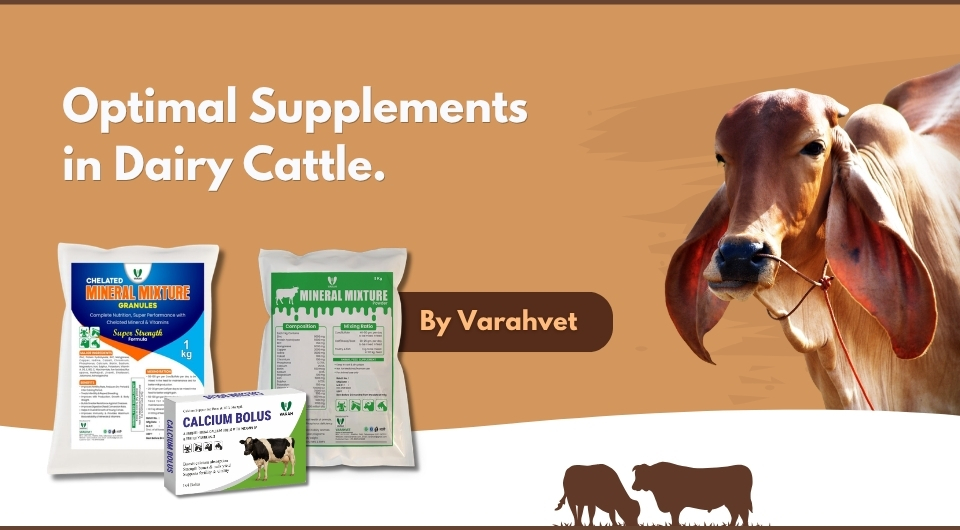
A high-tech solution containing high bioavailable minerals, which is perfect to enhance absorption and outcomes.
An easy method of supplementation, particularly when lactating.
Other products include VH-Zink Liquid that is used to treat the deficiency of zinc in cattle in India, which enhances skin health and immunity.
These supplements are a holistic approach towards the treatment of the symptoms of cattle mineral deficiency.
Long-Term Health Preventive Measures.
It is always better to prevent a disease rather than cure it.
Deficiencies need to be avoided by regular supplementation, balanced feeding and proper herd management.
Regular health examinations and checking of milk yield can be used to identify problems in the early stages.
It is important to use high quality certified supplements to guarantee consistency of the results and benefits in the long term.
Farmers are also to pay attention to the increase in soil health and the quality of fodder to increase natural mineral intake.
Conclusion
One of the most prevalent problems in dairy farming that is not given much attention is mineral deficiency.
Its effect may be serious, including lowered milk production and severe health conditions. Yet, it can be entirely controlled with the help of the correct knowledge and approach.
Farmers can improve on health and productivity by learning the symptoms of mineral deficiency in cows, managing the cause and using efficient supplements.
The further improvement of results and profitability can be achieved with the help of switching to more sophisticated solutions such as chelated minerals.
Fix Mineral Deficiency in your Herd Chelated Mineral Range by VarahVet.
Farm your cattle using healthy bioavailable mineral supplements that help achieve good health and increased production.
Be the first step to making a healthier and more productive herd.