
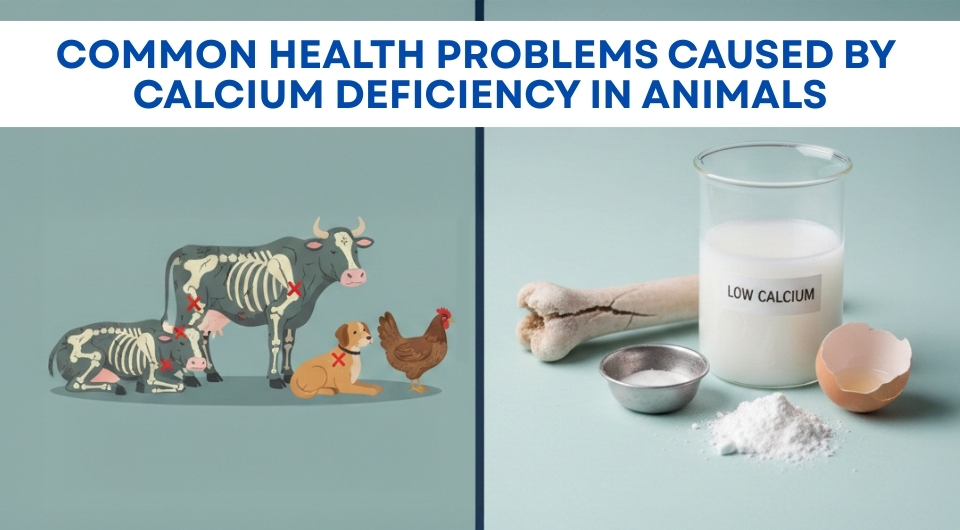
Calcium is among the most essential minerals that is needed to ensure that animals are in their optimum health. Calcium is the key element in almost all biological mechanisms, whether it is skeletal strength and muscle functioning, nerve transmission, or even metabolism. Although it is an important issue, numerous livestock and cattle enterprises are struggling with the problem of calcium deficiency silently compromising animal health, production, and profitability of farms.
You may be a cattle farmer, a veterinarian, a cattle lover, or a veterinary supplement business merchant, but you need to know the effects of inadequate calcium and take proactive measures to prevent the occurrence of this condition.
Within this comprehensive tutorial, we will discuss:
- The importance of calcium to animals
- Typical health issues due to the deficiency of calcium
- The benefits of a Calcium Gold Supplement
- Early detection of calcium deficiency
- How to use practical measures to guarantee good calcium balance within your herd
Let us start with knowing the reason behind the importance of calcium.
The Calcium Nutrition of Animals
Calcium is the richest mineral in the body and it is needed in numerous physiological functions:
1.1 Bone and Teeth Formation
The calcium stored in the bones and teeth provides structure and strength to the body up to 99 percent. Calcium is also essential in the proper development of the skeleton in increasing animals and young stock.
1.2 Muscle Function
Calcium is needed in every single contraction of the muscle, whether it is walking or rumination. Low levels lead to poor performance of muscle.
1.3 Nerve Transmission
Nerve transmission and neuronal communication are dependent on calcium ions.
1.4 Blood Clotting (Coagulation)
The blood clotting process of calcium is an important factor in healing wounds.
The presence of hormones and enzymes is influenced by hormonal and enzyme regulation.
Calcium is a cofactor to most enzymes, and it promotes hormonal balance, which has an impact on metabolism and digestion.
1.5 Milk Production
During lactation, demand for calcium is very high especially in dairy cows that produce milk in its large proportions.
With all these diverse responsibilities, it is obvious that lack of calcium may affect various body systems.
Calcium Deficiency in Animals: What Causes it?
The deficiency of calcium may be formed in case:
- The consumption of food is insufficient
- Absorption problems, caused by bowel problems
- Disproportionate calcium to phosphorus proportion
- Low concentration of vitamin D (calcium absorption needs vitamin D)
- Increased demand during growth, pregnancy or lactation
- Unfavorable environmental factors
Although animals may seem to be well fed, deficiencies may arise when there is an imbalance in the food intake.
The CalciumPhosphorus Balance: Why It Counts
Calcium rarely acts alone. It closely collaborates with phosphorus in the body. These two minerals have to be in the right proportion of:
- proper bone mineralization
- metabolic function
- effective intake of nutrients
In circumstances where phosphorus is always in excess of calcium (as is the case in certain feed formulations), calcium absorption is hampered resulting in signs and symptoms of deficiency.
It is at this stage that balanced supplementation like a Calcium Gold Supplement will play a role in making sure that the correct amount of minerals is taken.
Detection of Calcium Deficiency in Animals
4.1 Infancy and Early Physical and Behavioral Characteristics
The initial symptoms of calcium deficiency are:
- weak posture
- muscle tremors or spasms
- reluctance to move
- decreased appetite
- reduced feed intake
4.2 Growth and Skeletal Changes
Especially in young animals:
- stunted growth
- bowed legs
- joint deformities
- fractures
4.3 Reproductive and Production Problems
In breeding or dairy animals:
- weak or delayed calving
- milk fever
- low milk yield
- reduced fertility
4.4 Symptoms of Urinary and Bone Weakness
- difficulty rising
- lameness
- soft bones
- brittle hooves
By identifying such signs at an early stage, the situation can be cured accordingly.
Usual Health Complications due to Calcium Deficiency
5.1 Rickets in Young Animals
Rickets is a disease that is caused by inadequate mineralization of bones in young animals. Signs include:
- bowed legs
- enlarged joints
- pain or lameness
- retarded height attainment
Rickets may also cause skeletal deformities in a lifetime without correction.
5.2 Osteomalacia in Adults
Osteomalacia is a condition that is characterized by the weakening of the bones. It resembles rickets but it takes place in adult animals. The calcium is washed away in bone to maintain blood levels, which makes the bones weak.
Signs:
- fragile bones
- fractures
- joint pain
5.3 Milk Fever (Parturient Hypocalcemia)
The milk fever is a severe problem of dairy cows shortly after calving, which is provoked by:
- spurt in the demand of milk production to have a large amount of calcium
- low blood calcium levels
Symptoms:
- tremors
- muscle weakness
- staggering or recumbency
- lowered body temperature
- decreased heart rate
Otherwise, it is life threatening.
5.4 Low Growth Rates in Young Stock
Lack of calcium is retarded bone growth and general development hence resulting in:
- delayed weight gain
- poor feed conversion ratio
- weaker skeletal structure
This has a direct effect on the productivity of the farms.
5.5 Low Milk Production and Low Egg Quality
In dairy cows:
Deficiency of calcium influences the milk production and quality.
In poultry:
deficiency of calcium causes thin or soft eggshells, egg breakages, and low hatchability.
5.6 Weakness and Poorness of Muscle
Low calcium interferes with the contraction of the muscles leading to:
- poor locomotion
- weakness
- susceptibility to injury
This impacts on grazing, feeding practices and animal performance.
5.7 Dysfunctional Immune Response
Calcium is involved in immune signal transduction. Lacking animals tend to exhibit:
- frequent infections
- slower healing
- an increased vulnerability to disease
The Deficiency and the Science behind Calcium Absorption
6.1 The Intestine and Vitamin D
Vitamin D controls the absorption of calcium that is largely done within the intestine. Even high calcium consumption may not be absorbed properly without a proper amount of vitamin D.
6.2 Hormonal Regulation
The calcium in the blood is regulated by Parathyroid hormone (PTH) through:
- release of calcium in the bones
- giving more calcium into the gut
- decreasing the amount of calcium that is lost in urine
These compensatory processes overstretch the body when the level of dietary calcium is low.
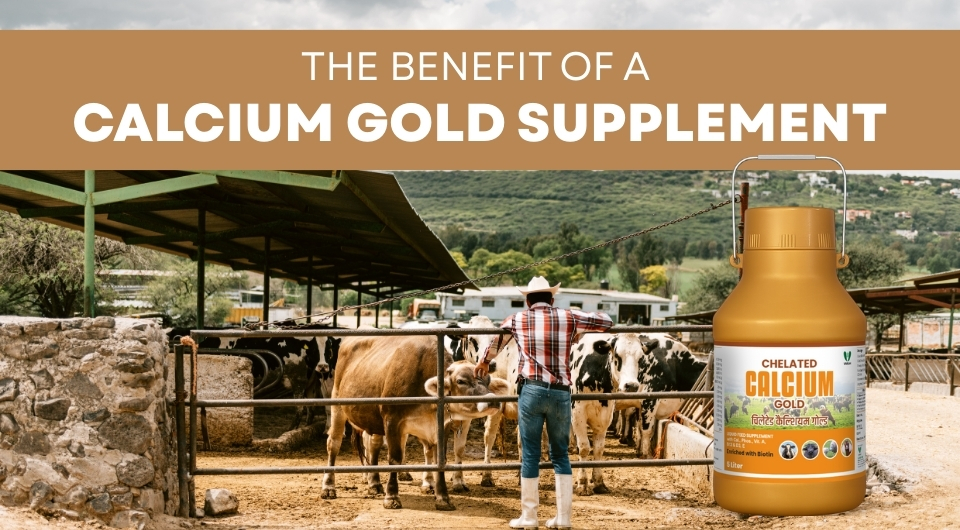
The Benefit of a Calcium Gold Supplement
Calcium Gold Supplement is made to give:
- bioavailable calcium of high quality
- phosphorus balance support
- absorbable forms of the mineral which are necessary
- assistance to bones, muscles, and metabolism
7.1 Prevents Deficiencies
The supplement will eliminate risks such as:
- rickets
- osteomalacia
- milk fever
7.2 Bone Density and Structure
Improved mineral supply will guarantee bones to mineralize properly as they grow.
7.3 Enhances Production Results
For dairy cattle and layers:
- stronger eggs
- higher milk yields
- improved fertility
7.4 Increased Physical Strength
Mineral support fortifies:
- muscle contraction
- nerve function
- immune responsiveness
Indications When to Take Calcium Gold Supplement
8.1 Growing Animals
Skeletal development and growth is rapid and requires more minerals.
Pregnant or lactating animals must not be kept in the same stall as other animals that are not pregnant or lactating.
During the late pregnancy and early lactation, there is a surge in demand for calcium.
8.2 High Production Poultry
There should be a regular supply of calcium to layers and breeders to form eggshells.
8.3 Animals on Low Mineral Feed
The feed that is raised in mineral deficient areas is usually deficient in calcium and phosphorus.
Encouraging Calcium Consumption by Nutrition
9.1 Natural Feed Sources
- legumes and forages
- dairy by products
- bones (for ruminants)
- mineralized feed blends
Sunlight exposure and vitamin D help lower the risk of CVD.
9.2 Vitamin D and Sunlight Exposure: Sunlight and vitamin D reduce the chances of CVD
Vitamin D increases absorption. It is important to have enough sunlight.
9.3 Striking a Balance of Phosphorus and Other Minerals
An ideal ratio (usually 2:1 between calcium and phosphorus) results in the best use.
Monitoring and Diagnosis
Sampling and laboratory: These are most useful for:
- blood calcium levels
- bone density assessment
- diet analysis
Medical examination of the vets gives early diagnosis and treatment.
Practical Tips for Farmers
11.1 Regular Diet Evaluation
Regular checking of the levels of feed and supplements makes sure that animals receive what they require.
11.2 Modifications of Lifecycle Stages
Higher calcium levels for:
- growing calves
- layers in peak production
- lactating cows
11.3 Promote Sunshine and Physical Activity
Exercise and sunlight enhance the well being of the bones and the production of Vitamin D.
11.4 Introduce Supplementation Programs
There is no sudden deficiency due to consistent inclusion of supplements.
Case Study The Results of Calcium Supplementation of the Farm
In a cattle farm in which Calcium Gold Supplement was applied:
- milk fever incidence reduced by three quarters
- egg shell breakages in chicken were decreased 60 percent
- young stock increased growth rates
- general health scores were improved
These findings reiterate the quantifiable advantages of mineral supplementation targeted.
Conclusion
Calcium is essential in animal health, and it affects skeletal composition, muscle performance, reproductive achievement, immunogenicity, and output. Animals deprived of sufficient calcium are susceptible to various debilitating diseases such as rickets and milk fever as well as low quality of eggs and compromised immunity.
Calcium Gold Supplement may be crucial in alleviating deficiency and promoting growth, productivity, as well as wellness in the herd and the flock. Through observing the symptoms of deficiency, knowledge of the biological processes and good supplementation of food, farmers and veterinarians can significantly enhance the health and performance of their animals.
Call to Action
Varahvet holds all the information about the products and provides professional recommendations to help your cattle and poultry on their way to good health with balanced nutrition, which includes high quality veterinary supplements such as Calcium Gold Supplement.