
The health of the liver in animals, especially in poultry and livestock, is very important as far as the health and productivity of animals are concerned. Liver acts as the metabolic workhorse of the body, particularly in the following functions: blood clearing, aiding digestive system, immunological defense, storing of nutrients and energy storage. Liver impairment can easily result in poor growth, low egg laying, metabolic diseases and predisposition to infections in the animals. In the worst, the liver dysfunction may cause colossal losses to the farmers as well as crippling health problems to herds or flocks.
Within this informative article, we discuss the reasons behind liver diseases in animals, especially in poultry and other animals, and give feasible solutions that can be used to avoid liver diseases. We shall also address the necessity of relying on supplementary nutritional support such as a Liver Tonic for Poultry, an herbal supplement which is aimed at stimulating liver activity in a natural and sustainable way.
Living knowledge: The Metabolism Center of the Body, the Liver.
Liver is important and is involved in many crucial processes:
- Cleaning of toxic substances.
- Fat, carbohydrates, and protein metabolism.
- Secretion and synthesis of bile.
- Vitamins and minerals are stored.
- Immune system support
- Regulation of hormones and production of enzymes.
Due to its major role in detoxification and metabolism, the liver health is directly related to:
- Energy levels
- Immunity
- Feed conversion ratio
- Growth performance
- Reproductive health
- Egg production in layers
These systems are impaired by the deterioration of liver health causing a cascade of health problems.
Typical Etiologies of hepatic conditions in animals and poultry.
Liver disorders can hardly be spontaneous. The majority of them are triggered by environmental, dietary, infectious, metabolic or toxicological factors.
2.1 Mycotoxin Feed contamination.
Mycotoxin contamination in feed is one of the major causes of liver disorders in poultry and livestock. Mycotoxins are defined as a group of poisonous substances that are manufactured by fungi, e.g., Aspergillus, Fusarium, Penicillium. They are successful in the following conditions:
- high humidity
- heat
- poor storage
- fungal growth
The common mycotoxins that affect the liver include:
- Aflatoxins
- Fumonisins
- Ochratoxins
- Zearalenone
Mycotoxin exposure leads to:
- liver pollution (hepatitis)
- liver cell degeneration
- reduced feed efficiency
- immune suppression
- poor growth or production
2.2 Unhealthy Nutrition and Unbalanced Diets.
Malabsorption of the essential nutrients, in particular amino acids, vitamins (vitamin E in particular), and minerals (zinc and selenium, etc.), may overload the liver. Unbalanced nutrient intake by high-energy and high-fat feeds that do not balance may also strain liver metabolism.
Major causes associated with diet are:
- inadequate protein
- insufficient micronutrients
- excessive dietary fats
- asymmetrical alterations in calcium/phosphorus.
In the case where the liver is unable to digest the contents of what one eats, the fat is deposited in the liver, a condition referred to as fatty liver syndrome.
2.3 Toxins and Chemical Exposure.
Environmental or external toxins like: expose animals to liver stress.
- pesticides and insecticides.
- industrial pollutants
- contaminated water
- some antibiotics (in their inappropriate usage)
- feed additives in high doses
The toxins overload the liver detoxification systems resulting in chronic inflammation and impaired liver performance.
2.4 Infectious Agents
A number of pathogens may directly or indirectly affect the functioning of the liver:
- Poultry viral diseases such as Infectious Bursal Disease (IBD) and Newcastle Disease.
- Salmonella and Clostridium spp. Bacterial infections.
- Parasitism infestations such as liver flukes (in ruminants)
They are able to lead to hepatitis (inflammation of liver) or immunodeficiency aggravating liver stress.
2.5 Stress and Environmental Factors.
Stressors in the environment like:
- heat stress
- overcrowding
- poor ventilation
- acute changes in temperature.
stress metabolic functions and trigger physiological reactions. The reactions cause diversion of energy to support liver maintenance and undermine liver functioning in the long run.
Liver Disorders Signs and Symptoms in Poultry and Livestock.
The prediction of the initial signs in liver dysfunction may stop the development of a severe disease.
3.1 In Birds (Poultry)
- Reduced appetite
- Poor feed conversion
- Lethargy
- Droopy appearance
- Pale comb and wattles
- Decreased egg production
- Low quality of eggs (thin shell, misshapen egg)
- Blackish brown or frothy droppings.
3.2 On Cattle and other livestock.
- Loss of weight and unhealthy body.
- Low dairy production in livestock.
- Rough coat
- Jaundice (yellowing of mucous membranes).
- Swollen abdomen
- Poor digestion
A large number of symptoms of liver dysfunction are similar to other diseases, and that is the reason why it is necessary to learn about risk factors and laboratory diagnostics.
Liver Problems in Animals Diagnosis.
Diagnosis combines:
- Clinical observation
- Feeding history
- Environmental assessment
- Laboratory tests
The usual diagnostic instruments are:
- Liver enzyme tests
- Serum biochemistry
- Liver tissue examination after death.
- Feed and water analysis
Regular testing can be used to detect problem feeds, toxins or patterns of infection.
Prevention and Management Strategies.
4.1 Feed of Quality and Storing.
The contamination of mycotoxins can be prevented using:
- cold and dry storage environment.
- regular feed inspection
- proper silage management
- use of quality raw materials
- rotation of feed stock
Mycotoxins and microbial contamination of the feeds should be done periodically.
4.2 Balanced Nutrition
Make sure that diets are made to:
- satisfy species-specific nutrition needs.
- contain sufficient amounts of proteins, fats, carbohydrates.
- provide necessary vitamins and minerals.
- have adequate energy balance.
Veterinarians or animal nutritionists may assist in the customization of the feeds according to the age, stage of production, and weather conditions.
4.3 Clean Water and Environment
The quality of water directly affects liver workload. Ensure:
- access to clean and unpolluted water.
- frequent water testing
- cleaning of drinking systems on a regular basis.
- Sanitation of the environment decreases the growth of bacteria and fungi.
4.4 Stress Reduction
Stress reduction enhances the liver functioning:
- have stocking density at its best.
- provide adequate temperature and ventilation.
- adhere to deworming and vaccination.
- avoid sudden feed changes
Less stressed animals possess a better immune system and are more competent in detoxification.
4.5 Liver Tonic Use in Poultry and Livestock.
Prevention of toxin, infection, and metabolic stress impact can be reduced by supporting liver functioning in the proactive. A Liver Tonic to Birds assists:
- improve liver detoxification.
- support bile secretion
- promote better metabolism
- enhance food intake and energy use.
- preserve the liver cells against oxidative stresses.
- develop stress resiliency.
Herbal liver tonics do not overwork the metabolic system and keep the liver healthy.
Herbal Primary Prevention of Liver Disease: Natural versus Synthetic.
Although the conventional medicines are applicable in acute disease, the herbal liver support is both long-term and side effectless. Most herbs aid liver functioning by:
- improving bile flow
- reducing oxidative stress
- enhancing immune responses
- aiding detox pathways
This natural practice is an addition to good management practices and lessening the dependence on synthetic drugs.
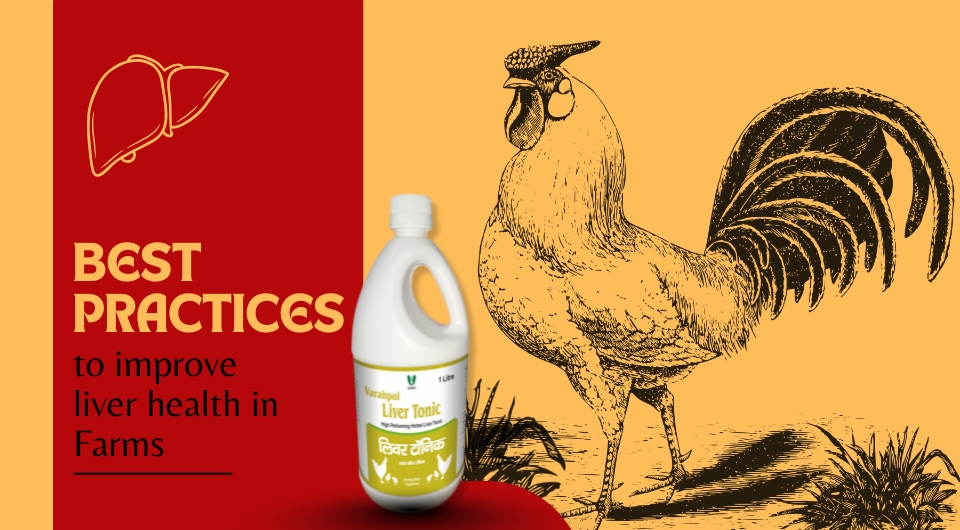
Best Practices to improve liver health in Farms.
5.1 Regular Health Screening
Detect the at-risk animals early through regular testing.
5.2 Survey Intake and Growth of Feeds.
The abnormalities in the consumption of feed usually indicate premature metabolic stress.
5.3 Maintain Clean Facilities
Healthy practices lower the infection and toxin responsibility.
5.4 Train Farm Staff
Train employees to identify liver dysfunction early signs.
5.5 Implement Nutritive Supplements
Liver functions are supported using strategic supplements such as Liver Tonics or other herbal forms of support.
Case Studies: Poultry Farms Liver Support Success.
A Liver Tonic for Poultry has been adopted into the health management program of many modern poultry operations with good results:
Case Study 1 – Broiler Farm
An experimental heat-stressed broiler farm of 10,000 birds recorded a decreased growth, increased mortality, and congestion of the liver. Following incorporation of herbal liver support and better quality of feed the farm observed:
- better feed conversion
- brighter bird liveliness
- lower mortality
- improved meat quality
Case Study 2 – Layer Operation
A 20,000-layer arrangement had a hard time with reduced egg output and reduced shell quality associated with subclinical liver stress. The farm had:
- egg production increase
- improved shell strength
- greater consistency in the performance of the flocks.
These are just a few examples that highlight the importance of preventive liver care.
Animal Hepatology Myths and Misconceptions.
Myth 1: Liver Issues can only occur in ill animals.
Fact: Toxins are also built up in even seemingly healthy animals or metabolically fatigued animals that have their liver functions impaired.
Myth 2: Liver disorders Can only be cured by Chemistry.
Fact: The liver can be a major source of stress that can be greatly alleviated by herbal and nutritional support with appropriate management.
Myth 3: Liver Supplements are a Sick Animal Only Supplement.
Fact: Routine liver support can be used to maintain optimum performance in healthy animals and prevent before disorders occur.
Recommendation: Liver Health: A Priority to Animal Productivity.
Diet, environment, management, toxins, infections, and stress are multiple factors that cause liver disorders in animals. Due to the role of the liver in the body as the hub of the detoxification system, nutrition, metabolism, and immunity, a dysfunction in the liver can be spread to all points of animal health and productivity.
It is better to prevent than to cure–and to keep liver health it is necessary to be holistic:
- quality feed and water,
- balanced nutrition,
- stress management,
- clean environment,
- and with strategic supplementation as a Liver Tonic for Poultry.
When farmers, veterinarians and poultry lovers learn the causes of liver disorders and take proactive measures of liver care, the outcomes of health will improve, the effectiveness of production will grow, and the strength and resistance of the flocks and herds will improve.