
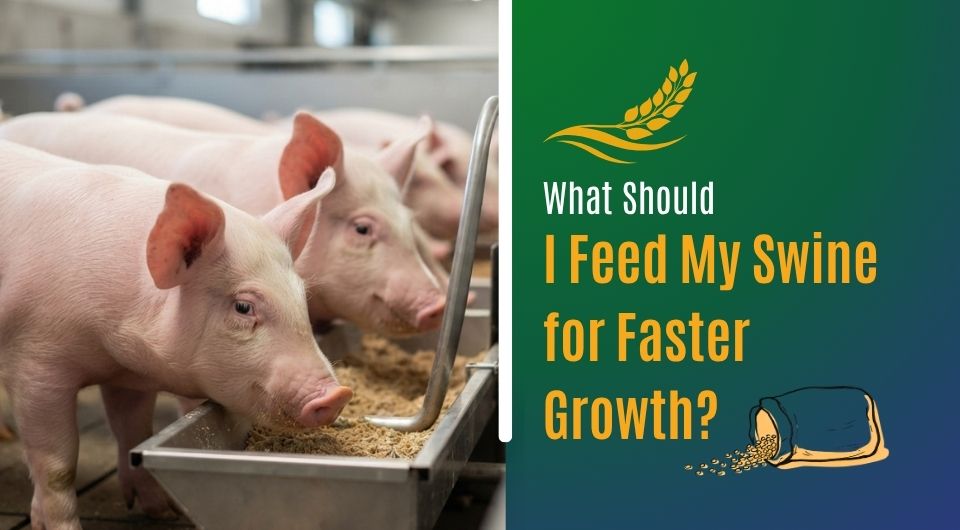
One of the most important factors in the profitability of a swine operation is the increase in live weight. A shorter production cycle, reduced feed cost per kg gain and improved overall ROI, the faster pigs reach market weight without compromising health or meat quality. However, there are still many farms using basic, standard feed formulations which do not meet the full nutritional requirements of each growth stage, and thus potential lost performance.
From the basics of providing the proper nutrition to understanding what supplements, if any, can be used to achieve faster, healthier growth in swine, this guide explains it all.
The Foundation: Energy and Protein Balance is a module designed for students.
Swine growth relies greatly on the proper balance of energy and protein during each phase of production. Too little energy results in a limit on growth with adequate protein consumption, and too little protein, especially of essential amino acids, causes a limit on lean muscle mass accretion with high energy consumption. One of the most frequent causes of poor growth despite sufficient feed on a farm is a poor feed-to-grain ratio.
The protein and energy density requirements of the diet also vary greatly from nursery to grower to finisher phase, because as a growing pig grows, it requires a greater amount of protein and energy.
The use of amino acid optimization for lean growth.
In addition to the amount of crude protein, the ratio of essential amino acids also has a significant effect on the efficiency of growth:
- Lysine: One of the most commonly used methods to increase lean muscle production and feed conversion efficiency of swine, particularly in corn-soy based diets, is to supplement with lysine.
- Methionine and threonine: Supporting lysine, these amino acids round out the balance needed for efficient protein synthesis, and deficiencies here can bottleneck growth even when lysine levels are adequate.
- Tryptophan: Sometimes forgotten, it is essential for maintaining appetite and growth performance, especially in nursery pigs.
This is not just about the amount of protein, but also the most effective combination of these amino acids which results in more efficient growth and less nitrogenous waste and reduced feed costs per kg of gain.

Promote digestive health and gut support.
Since a pig’s digestibility and conversion efficiency of the feed it consumes relies heavily on the health of its digestive tract, there’s been a significant emphasis on helping to maintain healthy guts in today’s swine nutrition, especially for nursery pigs where the digestive system is still developing.
- Probiotics: Promote a healthy gut microbiome and enhance digestibility as well as reduce stress during weaning and change of diet in young pigs.
- Prebiotics: Provide nutrients for good bacteria that help maintain a balanced digestive system when switching foods.
- Organic acids: Benefit to maintain healthy gut pH, aiding digestion and lowering pathogen numbers, especially during post-weaning when pigs are most susceptible to digestive upset.
In general, when the farms are focused on healthy guts during the important nursery stage, the growth gathered during that period reflects in the grower/finer stage, as this early digestive upset is likely to have a lingering impact on the farm’s overall performance.
The use of vitamin and mineral supplements.
While well formulated base rations may be deficient on certain micronutrients, which are directly involved in growth-related biological processes:
- Zinc and copper: Immune function support and (particularly for zinc oxide) growth promoting effects in the nursery phase; requires careful dosing.
- Vitamin E & selenium: Play a role in antioxidant defense and in immune resistance, and indirectly in growth by lowering the metabolic demand for managing oxidative stress.
- Calcium and phosphorus: Necessary for making bones, especially in critical periods of rapid growth, such as the nursery and early grower stages.
Herbal and Phytogenic Growth Support.
With the decline in the use of antibiotic growth promoters and worries about antimicrobial resistance, herbal and phytogenic feed additives are becoming a growing category of feed that supports growth.
- Oregano and thyme extracts: Both extracts demonstrate antimicrobial activity and are aiding gut health for pathogen control without the use of antibiotics.
- Garlic compounds: Boost immunity and digestive function, which indirectly promotes healthy growth.
- Anti-inflammatory botanicals (such as turmeric): Improve metabolic efficiency by decreasing the burden of chronic low-grade inflammation.
The growth support systems in VarahVet’s swine feed supplement range are formulated to support growth through these gut and immune health pathways and are an alternative route to the growth benefits traditionally provided by antibiotic growth promoters.
Feeding by growth stage.
It is important not only to provide the right food, but also the right food at the right time for faster overall growth.
- Nursery phase (weaning to approx. 25 kg): Highly digestible protein sources, gut health support and transition management are important factors in this phase as this will have a significant impact on the rest of the growth phase.
- Grower phase (25 to 60 kg): Focus on a balanced amino acid profile and steady energy intake that will help create fast lean muscle mass.
- Protein/energy ratios at the finisher phase (60 kg to market weight): The phase in which the highest amount of feed is used per unit of gain, so protein/energy ratios need to be adjusted to optimize final weight gain, while keeping feed cost in mind.

Creating a Practical Feeding and Supplementation Plan
When it comes to faster swine growth, it’s not just a matter of one feed. Properly balanced base nutrition, targeted amino acid optimization, nutrition support of the gut during the vulnerable transition periods, plus appropriate vitamin and mineral supplementation at each growth stage are usually required. When using a supplier that has an experience and background in swine nutrition and has designed scientifically formulated veterinary feed supplements for each stage of the production cycle, for example VarahVet, the growth improvement is more predictable and measurable than when using a generic, one size fits all ration.
Conclusion
Balanced energy and protein, precise amino-acid optimization, robust support of the gut health during transition phases, and precise vitamin and mineral supplementation are the keys to faster swine growth. The herbal and phytogenic growth supports take another step which is very valuable, especially now with a growing shift away from antibiotic-based growth supports. When using scientifically tested, quality-tested veterinary feed supplements like VarahVet, using the right specials for the right growth stage gives your operation the best chance of consistent and efficient growth.
Frequently Asked Questions
Q: So, what is the number one most important thing that impacts pig growth?
A: Although no single factor is more important than any other, amino acid balance, specifically lysine, and gut health during the nursery phase generally are the most impactful and measurable factors to overall growth efficiency.
Q: How many days does it take to see improved growth in response to feed change / supplementation?
A: For most feed efficiency and growth rate trials, the improvements are often apparent in the first production cycle and can often be seen in 4-8 weeks of continual application, especially for amino acid or gut health treatments.
Q: Do growth supplements for swine using herbs work as well as antibiotic growth promoters?
A: Research has increasingly found that well-formulated herbal and phytogenic supplements are effective alternatives, especially for gut health and immune support, although the success of such supplements will vary based on the quality of the formulation and overall management practices.
Q: Should I use more than one type of supplement or can I use one all the way through growth?
A: The nutritional needs vary depending on the stage of growth, and nutrition support at different growth stages results in better performance than a single fixed nutritional supplement throughout the production cycle, especially in relation to amino acid ratios and gut health support.