
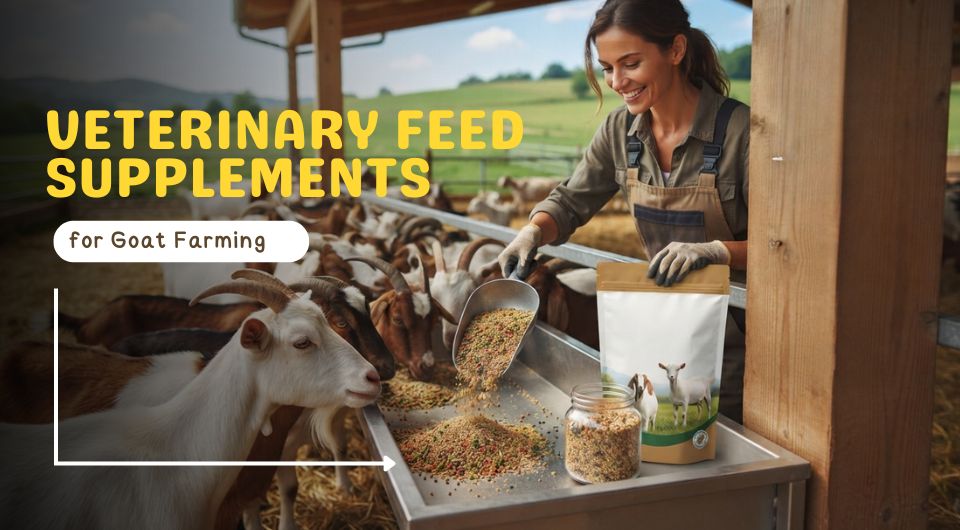
With the costs of feeding goats lower than cattle, their breeding rates quicker than cattle, and a strong market for goat products, goat farming has quietly become one of the most viable and profitable areas of livestock farming. However, the strength of the herd is only maintained if proper feed management is followed. Digestive systems and nutrient needs are different in goats than in cattle and sheep, and it is not always possible to fully realize their growth, milk or reproductive capacity by restricting them to grazing or to basic feeds.
Knowing which feed supplements are truly beneficial to goat health and productive output can save you from many of the common mistakes and help you obtain more consistent results from your herd, no matter how many goats you have, whether you are running a small backyard herd or commercial goat dairy/meat operation. Learn about the important categories of supplements that all goat farmers should be familiar with.
Why targeted nutritional support is important for goats.
The goats are browsers, that is they have a diet that includes a wide variety of shrubs, leaves, and other types of forage rather than just one type of pasture grass. This natural variety is typically absent from commercial or semi-intensive production systems, leading to deficiencies of key minerals, vitamins and energy.
The gaps are not usually observed suddenly, but they can appear as sluggish growth in kids, decreased milk production, poor coat, decreased conception rates or a general decrease in herd vitality. The signs may be very mild initially, so many farmers minimise the potential for improvement in their results until they experience the benefits for themselves.
Mineral supplements for goats.
Minerals are always one of the most deficient nutrients in goat diets, especially in areas where soil and forage mineralization fluctuates from season to season. The key minerals that should be focused on are:
- Calcium and Phosphorus: Critical for skeletal development in growing kids and milk production in lactating does, with an ideal balance needed to avoid urinary calculi in bucks and wethers.
- Copper: Goats have a higher requirement for copper than sheep and can develop copper deficiency symptoms such as a lack of color in their coat and decreased immunity. But copper needs to be managed carefully as goats are also sensitive to copper toxicity.
- Selenium and Vitamin E: Together, these support muscle function and immune health, and are particularly important in selenium-deficient soil regions to prevent white muscle disease in kids.
- Zinc: Promotes skin, hoof and reproductive development, particularly during the breeding season.
Forages do not resolve some of these gaps as effectively as a well-formulated mineral mixture, which, if possible, should be region specific because soil mineral content varies from one area to another.
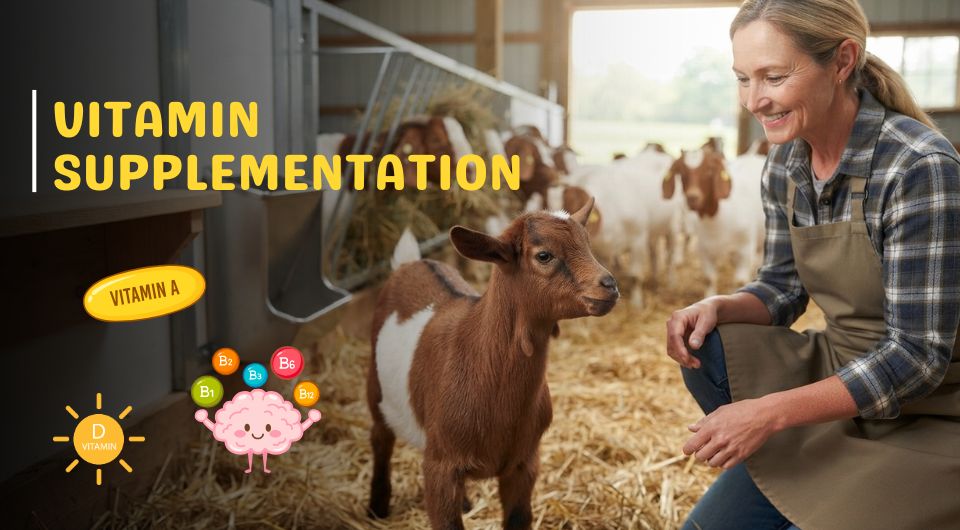
Vitamin Supplementation
Goats may produce some of these vitamins themselves, but in some cases there is a demand for these vitamins to be supplemented:
- Vitamin A: Needed for vision, reproduction and mucosal immunity, especially when the natural carotene content of dry, stored feeds is low in goats.
- Vitamin D: Regulates calcium and phosphorus, and is more significant in goats that do not have access to sufficient sunlight, e.g. in intensive housing systems.
- B-complex vitamins: Help with energy metabolism and appetite, and are particularly beneficial after deworming or when under stress or ill.
Energy and protein supplementation.
Energy and protein requirements are higher during lactation, gestation, and growth in all cases, for all growing kids, all pregnant does, and all lactating does, than in all goats in maintenance. Energy dense feeds and quality protein sources during these life stages can help ensure healthy weight gain, milk production and successful pregnancies.
- Concentrate feed mixes: A protein meal may be mixed with grains to provide the energy that might be lacking especially during late pregnancy and early lactation when the energy requirements are high.
- Bypass protein sources: Sources of protein that can not be digested by the rumen can be especially beneficial for high producing dairy goats.
- Liquid or powder energy supplements: Good to offer to children to transition them off milk or when they are recovering from kiddings stress, giving them a quick, digestible energy boost when they are still hungry.
Digestive and Rumen Health Support
As with all ruminants, goats need the rumen microbial population to be in good health and balanced in order to ingest them. With the correct supplementation, this can have a positive impact on feed conversion and help to prevent digestive upsets:
- Probiotics and live yeast cultures: Stabilize the rumen environment, especially during diet changeovers or following the use of antibiotics.
- Prebiotics: Promote a healthy gut microbiome, leading to better overall nutrient absorption.
- Herbal digestive tonics: traditional remedies to promote comfort and appetite especially in children after illness or stress.
Reproductive and Kid Growth Support
Herd growth and profitability in goat production is directly related to reproductive efficiency. Nutrient strategies for supporting fertility usually involve trace mineral supplementation (especially selenium, zinc and copper) and meeting adequate energy requirements in the months prior to breeding, as underweight or nutrient deficient does may have reduced conception rates and increased kid mortality.
Early nutritional management of young calves – appropriate colostrum feeding and subsequent use of appropriate milk replacers or growth promoting supplements – can have an impact on their productivity as adults – milk yield, meat quality or breeding output.
Creating a successful Supplementation Program That Actually Works
Every goat farm is not the same and the nutritional issues will not be the same. The actual requirements of a particular herd are determined by herd size, breed, quality of local forage, climate and type of farming enterprise (dairy, meat or fibre). A standard mineral block or feed additive may provide some minerals, but not necessarily any of the deficiencies that are somewhat understatedly holding a herd back.
It’s here that supplement partner knowledge of soil and forage conditions, coupled with scientifically designed, quality-tested liquid and powder supplements that are specific to goat life stage can produce more measurable and consistent results than one-size-fits-all products. Reviewing herd performance data periodically with a veterinary nutritionist can detect some nutritional deficiencies before they become detrimental to lost production.
Conclusion
Goat farmers have a powerful tool available to them to increase their goat’s growth rate, milk production, reproductive potential, and overall herd resilience – it’s called feed supplementation. Instead of a “one size fits all” approach to mineral/vitamin supplementation, a strategic program is developed to target the specific deficiency challenge a herd is experiencing, such as supplementation with energy during high demand stages of production. When it comes to goat nutrition, a life-stage specific approach to nutrition and a regionally-specific approach that is often informed by a veterinary nutritionist are likely to yield the most consistent long-term successes of goat productivity and goat health.
Frequently Asked Questions
Q: How do I know if my goats have a mineral deficiency?
A: Some of the symptoms from which you might be able to tell that your animals are suffering from a mineral deficiency include dull or faded coat coloration, poor growth rates in your animals’ kids, decreased milk production, or low conception rates. The most reliable picture is provided by a forage or blood mineral analysis performed with a veterinarian’s help.
Q: Can I give cattle mineral supplements to goats?
A: It’s not advisable. The copper requirement and tolerance of goats is different from that of cattle and sheep, and cattle formulated minerals could cause copper deficiency or toxicity depending on the mineral used.
Q: When is it appropriate to start giving kid growth supplements?
A: Usually around 6-8 weeks when children are transitioning off milk to help with the transition to solid feed and ensure continued good growth.
Q: Is it necessary for goats to take probiotics for good health?
A: Although not necessary on a stable diet, probiotics are beneficial during diet changes, stressful times or after antibiotics have been used in the herd as the rumen microbial balance is more fragile at those times.