
Veterinary contract manufacturing is an emerging trend for feed supplement companies, veterinary brands and start-ups seeking to expand their volume without taking the financial risk of constructing a plant. When done properly, it’s an efficient means of getting quality animal health and nutrition products to market quicker. It can cause lack of product consistency, regulatory problems, tarnished brand image, and expensive delays if implemented incorrectly.
From a first-time veterinary supplement company on the contract manufacturing journey to an established brand considering a change in manufacturing partners, you don’t want to waste time, money and credibility by not knowing about the common pitfalls of contract manufacturing. These are the common business pitfalls and ways to avoid them.
Not Vetting the Manufacturer’s Technical Expertise
The most frequent error is picking a contract manufacturer that is primarily a low-cost provider, rather than one that has the right technical expertise in veterinary and animal nutrition formulations. Formulation science, palatability, and species-specific safety thresholds are unique to each type of species for feed supplements used for cattle, poultry, swine, pets, or aqua species.
A manufacturer that is knowledgeable about human nutraceuticals, for instance, may not have the expertise needed to formulate a herbal liver tonic for poultry and a mineral mix for dairy cattle. Prior to finalizing a partner, it’s best to ask specific questions about their expertise in your target species and product category, and to seek sample formulations and/or case studies if available.
Overlooking Quality Control and Testing Protocols
No in-depth evaluation of a manufacturer’s quality control is uncalled for, and only becomes evident when products become available in the marketplace. Even batch variations, contamination or incorrect levels of active ingredients can have a serious impact on a brand’s reputation and in severe instances on animal health.
Businesses should check before signing on with any manufacturer:
- Is there any purity and contamination test at the raw materials stage?
- What quality checks are carried out in progress of production?
- If finished batches are tested for active ingredient concentration and microbial safety in the laboratory.
- If the facility has documentation and certifications for every batch, whether they are maintained properly or not
If a manufacturer doesn’t have a clear answer to these questions, or if testing only happens after the software is created instead of it being an integral part of the development process, it’s a big indicator that something is wrong.
Failing to comply with Regulatory and Compliance Requirements
There are specific regulatory requirements for veterinary feed supplements, depending on the market and species. One of the most frequently made errors is assuming that the manufacturer will cover everything required to comply with the regulations, only to find that the product is not compliant with the regulations because, for example, some of the ingredients were not approved, or the label was not accurate.
It is important to differentiate at the outset who is responsible for regulatory compliance and whether or not the manufacturer has experience in the relevant regulatory process for your target markets (particularly if export markets are a consideration) and whether its facility and process meet the criteria required for your product category. The consequences of getting it wrong can be shipment delays, product recalls or exclusion from certain markets.
Ignoring the need for formulation flexibility
There’s a great danger with contracting with a manufacturer that they think that all contract manufacturers have the same degree of formulation flexibility. But in practice some manufacturers are only able to use and modify a limited range of existing formulations, and others can provide true custom formulation development to meet your specific brand needs, target species and desired outcomes.
For businesses that have a targeted formulation goal – for example, a specific formula with a certain herbal blend, a different delivery system (for instance powder versus a liquid or bolus) or specific palatability requirements – it is important to confirm early on whether your manufacturing partner can truly provide you with a custom formula, or whether they will only be able to provide you with a generic one that doesn’t necessarily meet your business’ goals.
Failure to comply with minimum order quantities / scalability
A minimum order quantity (MOQ) and scale of production are factors that are not always given a second thought by businesses new to contract manufacturing and can impact both their cash flow and growth plans. Rushing into unrealistic MOQs can mean that you have to invest in stock that never gets produced and that you may not need, while contracting with a manufacturer who cannot meet this demand as your business grows will result in supply restrictions later on.
Having a clear discussion about MOQs, lead time and the manufacturer’s ability to ramp up the production as the volumes increase is a good idea before signing on a long-term contract, so that your production capacity can truly grow with your business.
Failure to communicate and lack of clear contracts.
Often, disagreements in contract manufacturing situations arise over general timelines, responsibilities, quality standards, and confidentiality. Businesses may enter into an agreement without the specific project deliverables being agreed upon, batch consistency requirements not being clearly established, ownership of any custom formulations, or a process for what to do if a batch fails quality control.
A clear and well-crafted contract that spells this out and a manufacturer that has enough of a response and transparent communication during the manufacture will minimize the risk of expensive miscommunication later.
No Request For Samples/Pilot Batches
Don’t go straight into full-scale production without asking for a sample or pilot batch, as it can be costly to change your decision once you have made it. In pilot batches, the quality, packaging, palatability and stability of the product are tested prior to larger batch production.
Good vets are more than happy to take pilot batches or to do small initial runs, just so that both parties can ensure the product is going to be just right, and to make sure it fits before scaling up – that is why they are good vets!
Taking into account Packaging and Shelf-Life Considerations
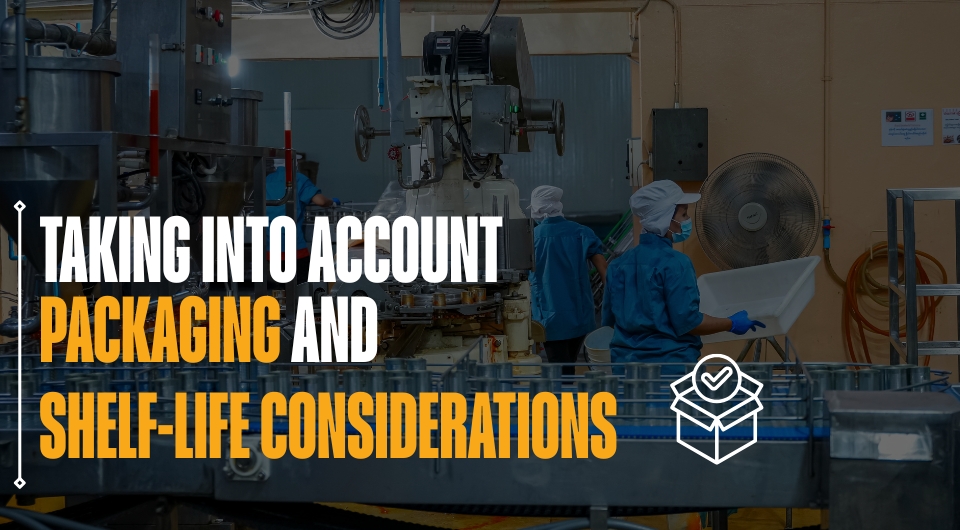
In the manufacture of veterinary feed supplements, packaging is often considered as the last step in the process, whereas in reality it is an integral part of the product’s stability, shelf life and the end user’s (farmers, veterinarians) perception of the product. When selecting a manufacturer, it is important that they are able to advise you on the best packaging for the type of product being produced and that they will undertake correct shelf life and stability testing to help prevent problems such as degradation or moisture spoilage before the product hits the shelves.
Conclusion
Veterinary contract manufacturing can be a very real opportunity for scaling up a feed supplement or animal health business; however, it requires technical expertise, strict manufacturing quality control, clear regulation and communication. By avoiding these pitfalls, ranging from not performing pilot batches to underestimating the flexibility of formulation, you could prevent costly setbacks and ensure that farmers, veterinarians and animal owners can rely on consistent, reliable products.
Frequently Asked Questions
Q: What should I look for first when choosing a veterinary contract manufacturer?
A: With their own experience in veterinary and species-specific formulations, their quality control and testing procedures. There are costs associated with it, but the main filters should be Technical Expertise and Consistency.
Q: How important are pilot batches before full-scale production?
A: Very important. Pilot batches help test quality, palatability, and packaging before scaling up in production to help ensure that problems won’t cost you more in mass production.
Q: Can a contract manufacturer help with regulatory compliance?
A: The compliance requirements are not always apparent, particularly when you are exporting, and may not be automatically included in your contract with an experienced veterinary contract manufacturer; you need to be sure you have made this clear in your agreement.
Q: What’s a red flag when evaluating a potential manufacturing partner?
A: Some general red flags include vague or evasive responses regarding quality testing, reluctance to supply samples or pilot batches, and uncertainty pertaining to formulation ownership and contractual specifics.